Olivia Lehmann · 28 September 2026
Unraveling the Chain Reactions Triggered by Address Record Modifications in Content Platforms
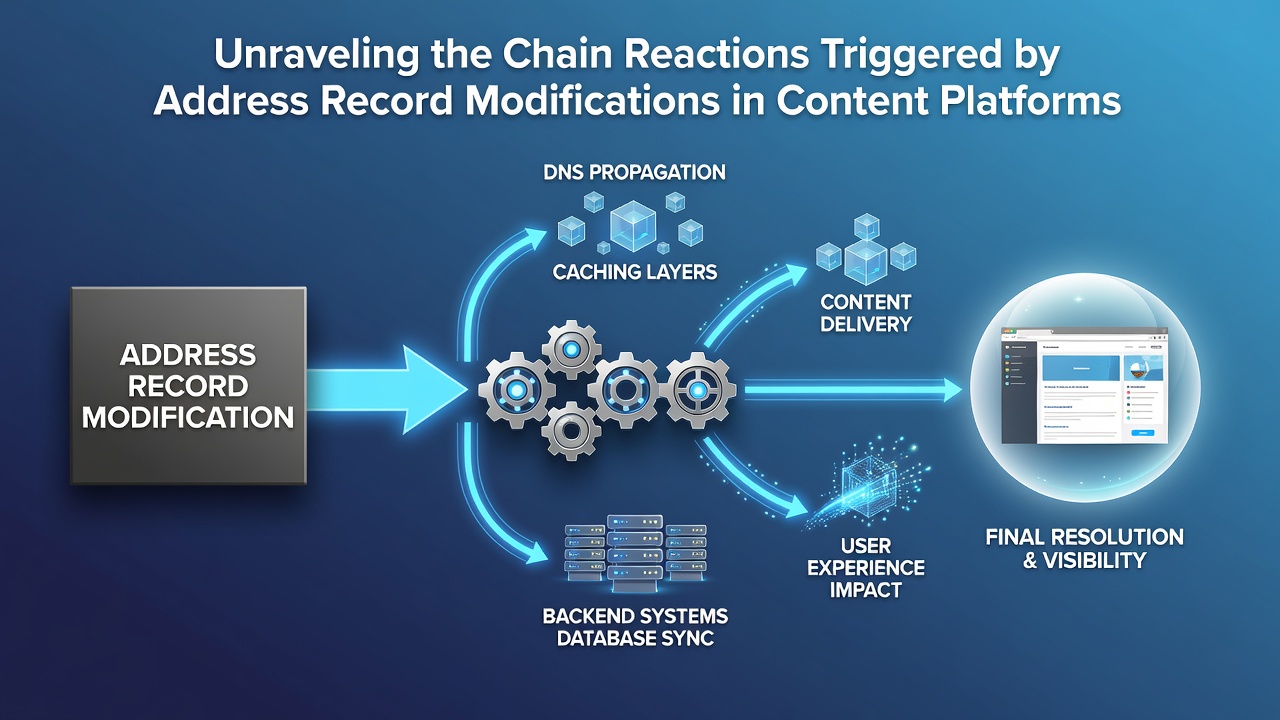
Address record modifications in content platforms set off sequences of technical adjustments that ripple across DNS infrastructure, caching layers, and delivery systems, and observers note how these shifts often begin with a simple IP address update yet quickly engage multiple interdependent components. Content platforms rely on A records to direct user requests to the correct servers, so when administrators alter these records the change initiates a propagation process that varies by time to live values and resolver behavior across global networks.
Mechanics of Address Record Updates
Modifications to A records occur when operators migrate servers, adjust load balancers, or integrate new content delivery networks, and data from network monitoring tools shows that the update first reaches authoritative name servers before spreading to recursive resolvers worldwide. Propagation times range from minutes to hours depending on TTL settings, while cached entries at intermediate points continue serving the previous IP address until expiration occurs. Researchers at institutions tracking global DNS traffic have documented cases where incomplete propagation leads to split-brain scenarios, in which some users reach the new destination and others remain routed to the old one.
Caching Layers and Their Role
Content platforms incorporate multiple caching mechanisms that respond differently to record changes, and browser caches, CDN edge nodes, and operating system resolvers each apply their own retention policies. When an A record shifts, edge caches may retain stale mappings for extended periods because many implementations refresh only after explicit invalidation or natural expiration, and this behavior creates temporary inconsistencies that affect page load times and resource availability. Studies conducted by European research networks indicate that platforms using aggressive caching see longer resolution delays after modifications compared with those that implement shorter TTLs or active purging routines.
Effects on Content Delivery Networks
CDNs depend on accurate A record resolution to route traffic to optimal points of presence, so record modifications force these networks to re-evaluate routing tables and sometimes trigger health checks on the new endpoints. Operators frequently observe increased origin server load during transition windows because some edge locations continue forwarding requests to outdated addresses until their internal caches update, and this pattern appears in traffic logs collected during large-scale migrations. In September 2026 network operators reported coordinated updates across multiple platforms that highlighted how CDN synchronization delays can extend beyond standard propagation windows when record changes coincide with peak usage periods.
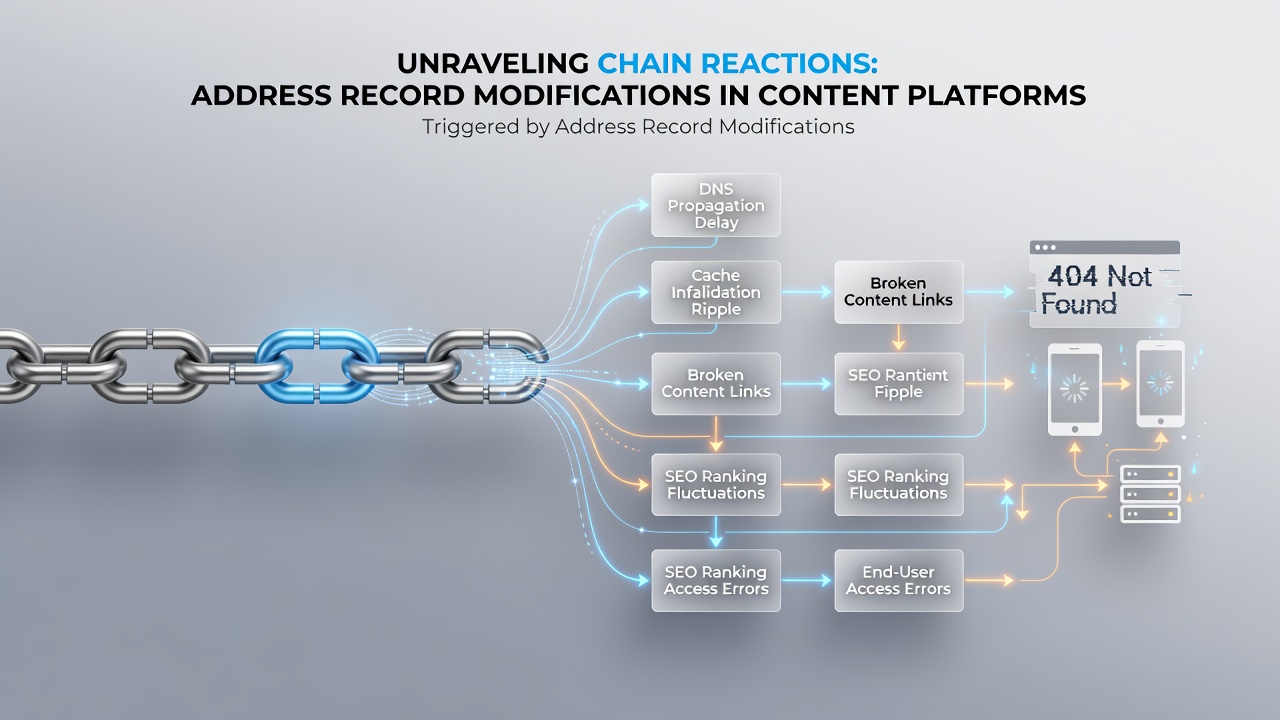
Security configurations tied to the original address may also require parallel updates, and platforms that employ DNSSEC or certificate pinning encounter additional validation steps that prolong the transition. According to documentation from the Internet Engineering Task Force, mismatched records during propagation can produce SERVFAIL responses that further complicate user access until all layers align on the updated information.
Platform Availability and User Access Patterns
Users experience intermittent connectivity when address records change because devices and applications retain cached resolutions for varying durations, and analytics platforms record corresponding spikes in error rates during these intervals. Geographic differences emerge as well since regional resolvers apply distinct caching durations and refresh schedules, creating uneven access patterns across continents. Observers tracking platform metrics note that mobile applications often exhibit longer recovery times than desktop browsers because of aggressive DNS caching at the operating system level.
Interdependent System Responses
Database connections, API endpoints, and third-party integrations linked to the content platform may reference the domain through the same A record, and modifications therefore prompt these services to re-establish connections or re-authenticate sessions. One documented case involved a major publishing platform where the record change coincided with an update to its authentication service, resulting in temporary token validation failures that persisted until both systems fully synchronized their DNS views. Industry reports from Canadian network research groups describe similar cascading effects when content platforms operate across hybrid cloud environments that maintain separate internal and external DNS zones.
Monitoring and Mitigation Approaches
Administrators deploy monitoring solutions that track resolution success rates and latency metrics before and after record changes, and these tools provide visibility into how far propagation has progressed at any moment. Automated scripts can detect persistent mismatches and trigger cache invalidation requests across CDNs, while manual verification through multiple global resolver checks helps confirm consistency. Data compiled by academic DNS observatories shows that platforms combining pre-change testing with staged rollouts experience fewer prolonged inconsistencies than those applying updates without preparatory validation.
External dependencies such as email delivery services and analytics trackers that resolve the domain separately can introduce additional variables, and changes sometimes affect their ability to reach the platform until their own caches refresh. Platforms that maintain detailed dependency maps reduce the likelihood of overlooking these connections during the update process.
Conclusion
Address record modifications in content platforms generate interconnected responses across DNS resolution, caching infrastructure, and delivery networks that unfold over minutes to hours, and the patterns observed in traffic data and resolution logs demonstrate consistent sequences of events. Understanding these sequences allows operators to anticipate where delays and inconsistencies are most likely to appear, and coordinated management of TTL values, cache controls, and monitoring systems helps align the various components during transitions. Continued observation of global DNS behavior supplies further insight into how these reactions evolve as platforms scale and adopt new delivery architectures.